

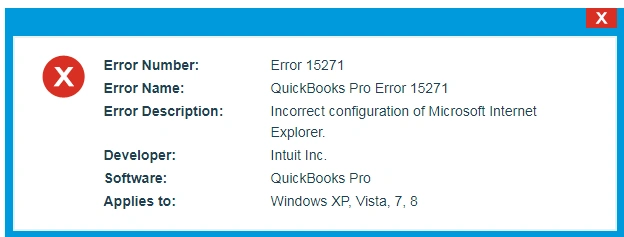
QuickBooks error 15271 is a standard issue that appears to users when they try to update QB Payroll. It interrupts the payroll downloading or installation process, thereby hampering productivity. This blog serves as an illustrative guide to help you resolve error 15271.
Usually, there are two different error messages seen when this error occurs:
“Error 15271: The payroll update did not complete successfully. A file cannot be validated.”
“Error 15271: The update did not complete successfully. A file cannot be validated.”
Additionally, we have helped you clarify your questions about error 15271. It will also provide you with troubleshooting steps and the causes associated with them.
If you need further assistance with QuickBooks payroll, please don’t hesitate to contact our experts now. +1 (800) 780 3064
What are the Causes for QuickBooks Error 15271?
What are the Causes for QuWhen you are facing error 15271 and are unable to update payroll, these factors may be contributing to it.ckBooks Error 15271?
- When updating the QuickBooks application or payroll, if the QB version is not installed correctly or the installation files are corrupted, this error can occur.
- If you have damaged or corrupted the Windows registry file, error 15271 may appear.
- If QuickBooks Enterprise is infected with a virus or malware, or if a virus or malware attack has corrupted the Windows file system or program files on your system.
- Deleting QuickBooks essential files may also cause this problem.
- If the Windows files required to run QuickBooks are damaged or corrupted, error 15271 may appear.
- Wrong SSL settings of Internet Explorer can also cause this error.
- An outdated payroll tax table can also cause you to face error 15271 in QB.
These are the possible reasons you may encounter this error, which will halt the update process.
What Should I Do When I See QuickBooks Error Message 15271?
There are multiple troubleshooting methods through which you can fix the QB payroll update error 15271. Listed below are the methods that have been explained.
Solution 1: Turn Off the User Account Control Settings
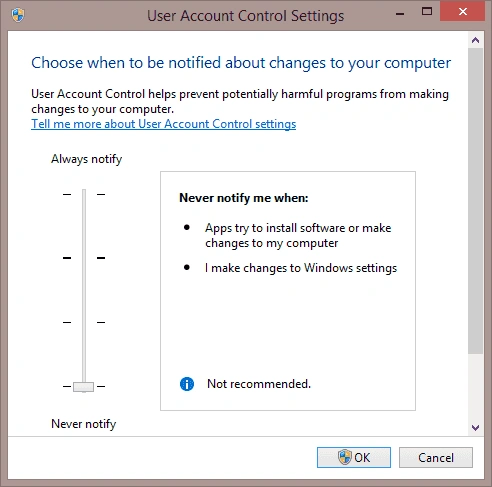
Turning off the UAC settings would allow you to fix the 15271 error in QuickBooks. Perform the following steps to do so:
- Hit Windows + R keys on your keyboard
- This would open the Run window.
- Search the Control Panel and hit OK.
- Choose User Accounts
- Then, opt for User Accounts (Classic View).
- Later, opt to change the user account control settings.
If the UAC pop-up message displays, select Yes to go to the next step.
- Opt for Never Notify
- Click OK to disable UAC.
Now, to initiate enabling UAC, opt for Always notify and then press OK.
- Now restart the program.
Try updating the QuickBooks Desktop if you still encounter this error.
Solution 2: Update the Quickbooks Desktop
Using an outdated version of QB can lead to numerous errors. Thus, update to the latest version of QuickBooks by following the instructions below:
- Access QuickBooks and move to the Help menu.
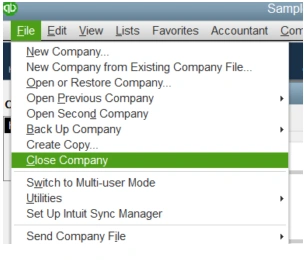
- Tap on the Update QuickBooks option.
- In the Update QuickBooks window, access the Options tab.
- Choose Yes to enable automatic updates.
- Tap on Close.
Restart the system after the download is completed and installed in your system.
Solution 3: Remove the Junk Files
Delete any unnecessary files from the system to resolve this error.
- Launch a full malware scan to detect and remove threats.
- Delete junk files such as TEMP files.
- Update your drivers.
- Use the Windows System Restore option to undo any system changes
- Uninstall and reinstall QBDT.
- Launch Windows System File Checker
- You can find it by typing sfc /scannow in the Command Prompt
Still facing the same problem? Scroll down to the next solution.
Solution 4: Install the New Digital Signature Certificate
To get a digital signature certificate in your system to fix this error, follow these steps:
- Head over to the C:\Program Files\Intuit\QuickBooks.
- Now search for QBW32.exe, right-click on it, and then click on Properties.
- Head over to the Digital Signatures tab.
- Under the signature list, select Intuit, then proceed to click Details.
- Now in the Digital Signature Details window, choose View Certificate.
- Under the Certificate window, choose Install Certificate
- Then select Next.
- Press Finish.
Then you should proceed to restart your computer and update QuickBooks again. Check the following solution if the problem persists.
Solution 5: Change the System Registry
Try to change the system registry by following the steps below:
- Try to use the registry repair tool to fix the damaged QB registry entries.
- Click on Start and search for CMD in the search bar, but don’t hit Enter.
- First, hold Ctrl + Shift and then hit Enter.
- Click Yes when prompted.
- Type “regedit” in the command prompt dialogue box
- Then, press Enter to access the registry.
- Under the registry editor, choose Error 15271 to back up.
- Now, click on File and then Export.
- Select a folder to save the backup file.
- Verify if the selected place is within the export range to save the file.
- Now, scan for malware and remove the detected threats.
- Remove all unnecessary files, including TEMP files and their directories.
After deleting the files, check if QuickBooks error 15271 prevents your operations.
Solution 6: In Selective Startup Mode, Clean Install QB
To perform a clean install for QB in selective startup mode, do the following:
- Hit Windows + R
- This would open the Run window.
- Search and access msconfig.
- Under the General tab, choose Selective Startup.
- Verify the Load System Services.
- Head over to the Services tab and then check the Hide all Microsoft services option.
- Tap on Disable All and then uncheck the Hide all Microsoft services option.
- Check the box for the Windows Installer if it is not.
- Tap on OK and restart the system.
Now, once the device is restarted, uninstall and reinstall QuickBooks to verify the error.
Solution 7: Install the Payroll Update in Safe Mode
Try installing the payroll updates in safe mode to fix QB error 15271:
- Open the Start menu
- Then, select the Restart the system option.
- While rebooting, press F8 on the keyboard to access Advanced Boot Options.
- Opt for Safe Mode and hit Enter.
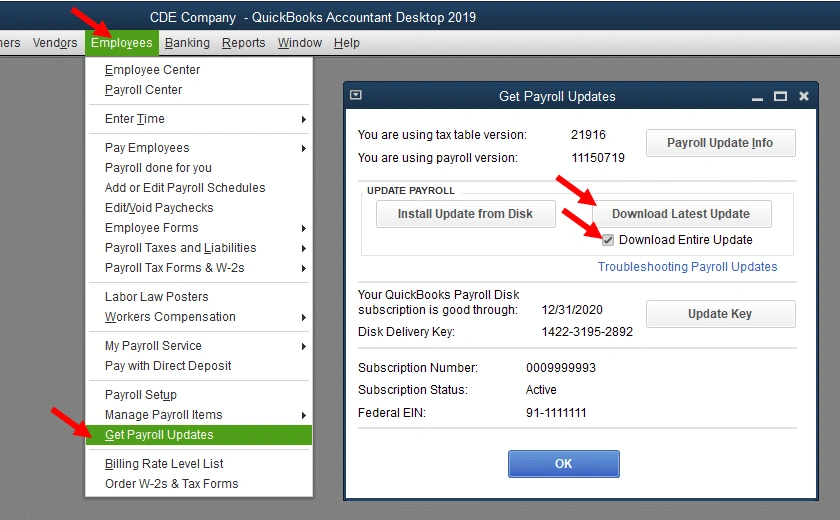
- Once Windows starts in Safe Mode, install and update the payroll as per the latest version available.
This will help you update the payroll in safe mode and avoid error code 15271.
Solution 8: Update the Windows OS
Staying on the latest Windows version helps avoid multiple errors. To know how to get the latest version here’s what to do:
- Access Settings from the Start menu.
- To get the latest version, click on the Update and Security tab
- Then, choose the Windows Update option.
- Later, click on the Check for Updates option to check if an update is available for the OS.
If you notice a new version available for your system, then you should download and install the updates. After updating, check if the 15271 error still persists.
Solution 9: Utilize the QuickBooks Install Diagnostic Tool
To use the QB install diagnostic tool, here are the steps:
- Download and install the QuickBooks Tool Hub from the official website of Intuit.
- Double-tap on the exe file you downloaded and start the installation process.
- Undergo the on-screen instructions to complete the setup process.
- Access the QuickBooks Tool Hub and head over to the Installation Issues tab.
- Choose the QuickBooks Install Diagnostic Tool option and run the tool.
The tool will run and fix the issue in your system. Let’s move on to the next section to understand what to do to avoid error 15271.
Things to Keep in Mind if You Want to Avoid QuickBooks Error 15271
Mentioned below is the information you need to read and implement if you want to avoid facing the QB error 15271 in the future:
- Enable automatic updates for QuickBooks. It allows for new features and fixes without manual updates.
- To run operations smoothly in QB, maintain system health, and prevent conflicts and errors during payroll updates.
- Keep the system drivers and Windows OS version updated to avoid compatibility issues with the payroll updates. Update keeps the performance seamless.
- Ensure to use a good internet connection during the update process to avoid update conflicts.
- Make sure your QBDT and Payroll stay up to date.
- Always ensure to download updates with admin rights.
- Before you try to troubleshoot this issue, make sure to back up your QB data to avoid a loss of progress.
The key pointers listed above will help you avoid QB errors and work smoothly in your workstation.
Conclusion
This blog covers all there is to know about QuickBooks error 15271. This error is usually caused when performing a payroll update in your QB app. Additionally, we have also listed other causes for this error and how you can troubleshoot it. We have also discussed the key aspects to avoid this error in the future. If you need any help regarding the QuickBooks payroll update, feel free to get in touch with our experts.
Frequently Asked Questions (FAQs)
What are the requirements to fix QuickBooks Desktop error 15271?
1. Launch QB as an administrator.
2. Update QuickBooks as per the latest version available.
3. Maintain a good and strong internet connection for your system.
4. Disable User Account Control (UAC) temporarily for Windows.
5. Verify if the payroll subscription is active and updated.
6. Get the latest available version for your Windows OS.
7. Temporarily disable the firewall, which is blocking QuickBooks operations.
What are the operating systems getting affected by the QuickBooks error 15271?
How do I fix payroll update error 15271?

Gabby Taylor, combines financial expertise with literary prowess. With over a decade in finance, she crafts insightful narratives on navigating fiscal complexities
