

Welcome to this article on the QuickBooks Install Diagnostic Tool. It is common to encounter various installation errors and technical issues while installing the QuickBooks Desktop. These errors can make you stuck midway and prevent you from accessing the installation files. If you are also facing the same type of situation, no worries, Intuit offers a robust solution – the QuickBooks Install Diagnostic Tool.
To use this tool to eliminate installation issues, you need to use QuickBooks Tool Hub. The QB Install Diagnostic tool is also useful for resolving several problems with Microsoft’s core components that affect the QB application’s smooth operation. To help you run this tool to eliminate installation issues, we have created this blog. Follow it smoothly for downloading, installing, and running the QuickBooks Desktop Install Diagnostic Tool.
What is QuickBooks Install Diagnostic Tool? {Detailed Explanation}
As we explained previously, the QuickBooks Install Diagnostic Tool is specifically designed to automatically identify and resolve errors and issues you may encounter during QB Desktop Installation. You may be aware that a few years back, the QuickBooks Desktop troubleshooting tools like File Doctor, Clean Install Tool, and the Install Diagnostic tool were available to you as a standalone utility. A user can easily download the QB Install Diagnostic Tool from the official Intuit site as a QBInstall_Tool_v2.exe file.
With the introduction of QuickBooks Tool Hub, all the QB tools were integrated into a single application — QuickBooks Tool Hub. Now, you’ll need to install it to access the QB Install Diagnostic Tool. Moreover, manually troubleshooting the Microsoft components, such as the .NET Framework, MSXML, and C++, is not possible for a regular QB user. In such scenarios, the QB Install Diagnostic Tool resolves the errors automatically with a few taps.
Why You Need the Install Diagnostic Tool
QuickBooks Install Diagnostic Tool is necessary in case of installation problems that you get and which do not facilitate a proper installation or update of QuickBooks Desktop. It automatically determines and resolves any problems to do with Microsoft components like .NET Framework, MSXML and Visual C++ which is vital to the smooth running of QuickBooks. This tool also saves time because instead of a human being having to go through the complex system errors manually, this tool can do the same. It is particularly applicable in fixing popular mistakes such as 1603, 1935 and 1402. The tool will allow you to install it faster and rely on the tool more, as well as not to disrupt your accounting workflow.
Common Errors Fixed by the Tool
The QB Install Diagnostic Tool is created to address a range of errors and problems encountered during installing or updating the QB software. Some common issues that can be resolved using this tool include:
- Installation Issues: The tool can tackle errors that occur during the installation of QuickBooks, like error code 1904, error 1603, error 1935, error 1402, and others
- .NET Framework Issues: It can also address problems related to the Microsoft .NET Framework, such as error code 1935
- MSXML Errors: You can rectify the errors related to the damaged MSXML file by running the Install Diagnostic Tool
- C++ Runtime Errors: Using the QuickBooks Install Diagnostic tool can also resolve the C++ can be resolved using the tool
- QuickBooks Update Problems: Issues such as error code 15270, update error 15223, error 1328, and error code 12007 can be fixed by running this tool
- Miscellaneous Errors: QB Install Diagnostic tool can also fix problems where the QB becomes unable to open, QuickBooks Unrecoverable Error, etc
These were some errors and issues that can be fixed by running the QuickBooks Install Diagnostic Tool.
How to Download QuickBooks Install Diagnostic Tool
In this section, we have outlined some key steps to use the QuickBooks Install Diagnostic Tool. But the first thing you need to do is download and install the QB Tool Hub. After installing it, you can access various repair tools. Now, let’s jump to the step-by-step instructions below to do so.
Step 1: Download and Install the QuickBooks Tool Hub on the Computer
It is recommended that you use Tool Hub on Windows 10, 64-bit. Additionally, ensure to close the QB software before downloading the Tool Hub on the computer.
- Start by closing the QuickBooks Desktop software if it is running
- Next, download the latest version of QuickBooks Tool Hub from the official Intuit site
- Download the QB Tool Hub’s installation file with its extension file
- Now, save the file on the workstation, so you can easily locate it when needed
- You can select the Downloads folder or the Windows Desktop to store it
Important: If you have installed the Tool Hub application on the computer, you need to check its version. Visit the Home tab and verify the version at the bottom of the window. If you have an outdated version, then you need to update it to the latest release.
- Now, run the QuickBooksToolHub.exe file by double-clicking it
- Access the program installer’s terms and conditions. Now, you must carry out the on-screen instructions to complete the installation
- If the installation is complete, tap-twice the Tool Hub icon on your Windows desktop and access it
Note: When you can’t locate the Tool Hub icon, perform a manual search utilizing the Windows browse for QB Tool Hub and select the program.
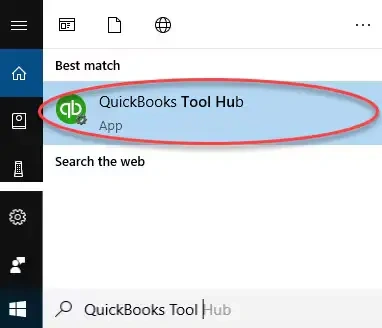
- After you have launched the Tool Hub, you can use the Install Diagnostic Tool within it
Step 2: Open and Run the Install Diagnostic Tool from QuickBooks Tool Hub
Once done by downloading and installing the QuickBooks Tool Hub, follow the instructions below to run the QB Install Diagnostic Tool:
- Start by opening the QuickBooks Tool Hub software on the computer and head to the Installation Issues tab
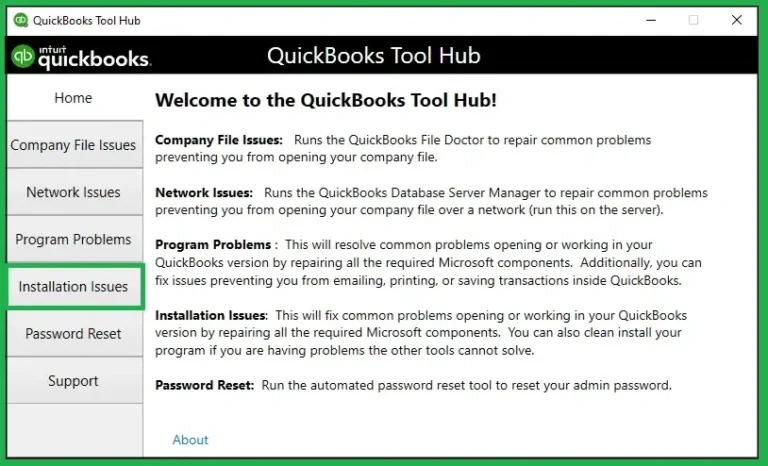
- Next, tap on the QuickBooks Install Diagnostic Tool option to open it. Let the diagnostic tool run. The running process will take about 20 minutes
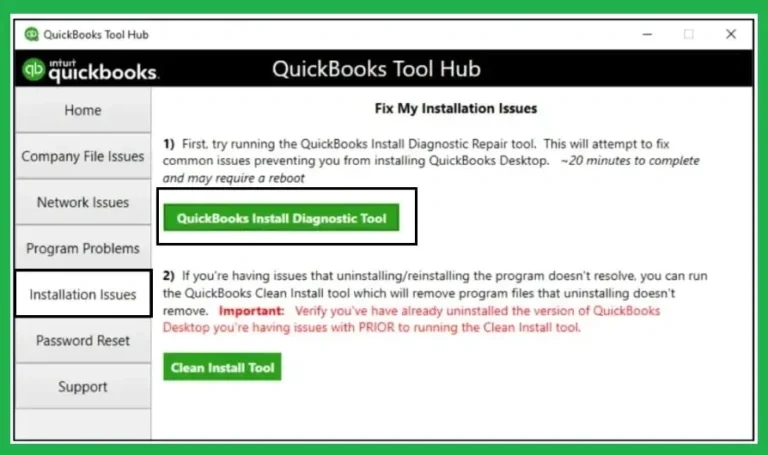
- If the tool completes the repair process, restart the system and the QuickBooks Desktop
Occasionally, if you try to install the QuickBooks Desktop version or QB Tool Hub software or even open the Install Diagnostic Tool, you may encounter error 1628, which states Failed to complete the script-based install. This error appears if a Windows service named “Windows Installer” is not working on your computer. Follow the next section to verify how you can resolve it.
How to Use QuickBooks Install Diagnostic Tool
When you get the error code 1628 while installing the Tool Hub software, try utilizing the Windows account with the admin account. The primary account has limited access rights, so utilizing the admin account can resolve this problem. The problem can also occur if the Tool Hub is incompatible with the Windows OS, you can resolve it by right-tapping the Tool Hub software’s program file and choosing the Troubleshooting compatibility option. Occasionally, renaming the Install Shield folder can also help you resolve the error code 1628.
What to Do If the Tool Doesn’t Work
In a scenario where the QuickBooks Install Diagnostic tool fails to resolve installation issues, you should implement some alternative troubleshooting methods to get rid of this problem.
Method 1: Manually Uninstall and Reinstall a Fresh Copy of QuickBooks Desktop
Ensure you download the installer for your version before you uninstall and reinstall QB Desktop on your computer. After that, take note of the product license number. After that, follow the steps below to complete this method.
Step 1: Delete QuickBooks from the Computer
Start by removing QuickBooks from the computer by carrying out the instructions below:
- Access the Windows Start menu
- Next, browse for Control Panel using the Windows search bar and access it
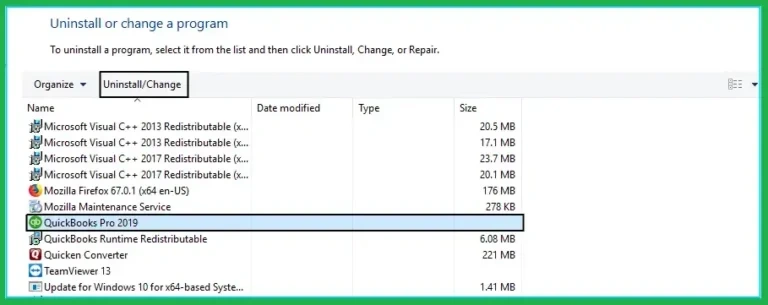
- Now, choose the Programs and Features or Uninstall a Program option
- Choose the QB Desktop version you wish to delete from the computer
- Press the Uninstall/Change button, followed by Remove and Next
Note: If you don’t locate the option to remove or uninstall the QuickBooks software, log out and log in to Windows as an admin.
Step 2: Reinstall QuickBooks Desktop Software
To reinstall the QB Desktop software, you need to perform the instructions below:
- Start by opening the QuickBooks.exe file (QuickBooks Program Installer File) that you downloaded before
- Next, implement the on-screen instructions and accept the software license agreement to complete the process
- After that, press Next
- Now, type in the product and license and press Enter
- Lastly, choose the installation path you wish to continue with. You can either head with the express or custom and network install. Select accordingly and finish the installation process
After implementing the instructions above, check whether your issue is resolved. However, if you are still facing the same problem, you must try the next method.
Method 2: Switch to Selective Startup Mode
Booting your system in Selective Startup mode ensures that no other software interrupts the installation process. Therefore, follow the instructions below to switch to the Selective Startup mode.
- Start by hitting the Windows + R keys on the keyboard to access the Run command window
- Next, enter the command msconfig and tap OK
- Choose the Selective Startup and Load System Services options in the General tab
- Now, navigate to the Services tab and choose the Hide All Microsoft Services option
- Tap on the Disable All option
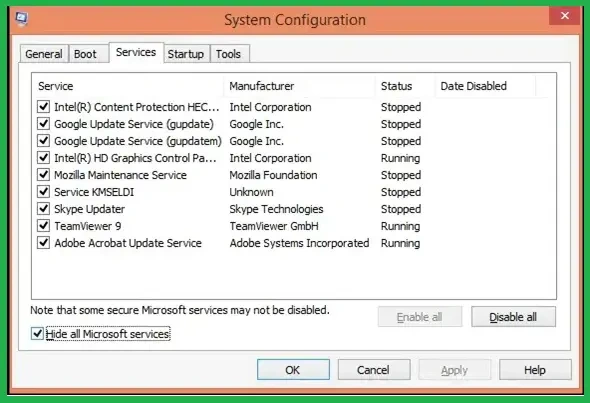
- After that, uncheck the option that says Hide All Microsoft Services to proceed further
- Next, choose Windows Installer from the list of services
- Press OK from the System Configuration window, and then tap on Restart
After trying the instructions above, check again whether the issue is resolved. If you are still facing the same issue, follow the next method.
Method 3: Update Your Windows Operating System
Using an outdated Windows Operating System can cause many technical issues, including QuickBooks installation issues. To tackle that, you need to update your Windows OS by following the steps below:
- Start by tapping on the Windows icon
- Next, head to the Settings of your Windows OS and tap on Windows Update
- Now, hit the Check for Updates option
- Here, you can see the available updates
- Once the update process ends, restart your system
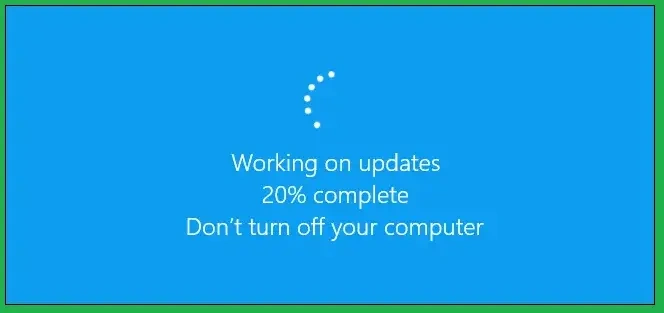
- After that, open the QB Desktop software and try to install QB Desktop to check if updating Windows resolves the installation issues
Once you’ve implemented all the instructions above, check whether the issue is resolved. However, if the issues still persist, you must follow the next method.
Method 4: Manually Repair Your Windows Components
To manually repair the Windows components, you must carry out the following instructions:
Repair or Reinstall Microsoft .NET Framework
You can fix or reinstall the .NET Framework on Windows10 and the latest versions with the help of the following instructions:
- Start by closing all the programs running in the background of your system using the Task Manager
- Navigate to the Windows Start menu, enter Control Panel in the search tab, and open
- Next, head to the Programs and Features tab
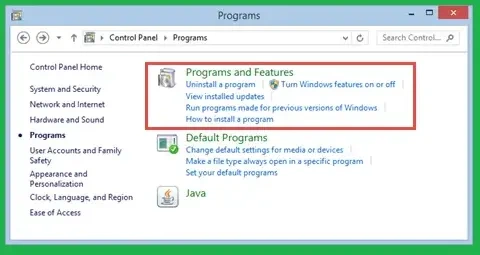
- Now, select the Uninstall a Program option, and don’t worry; it won’t uninstall any program from the system
- Press the Turn Windows features on or off pointer and locate the .NET Framework on the list
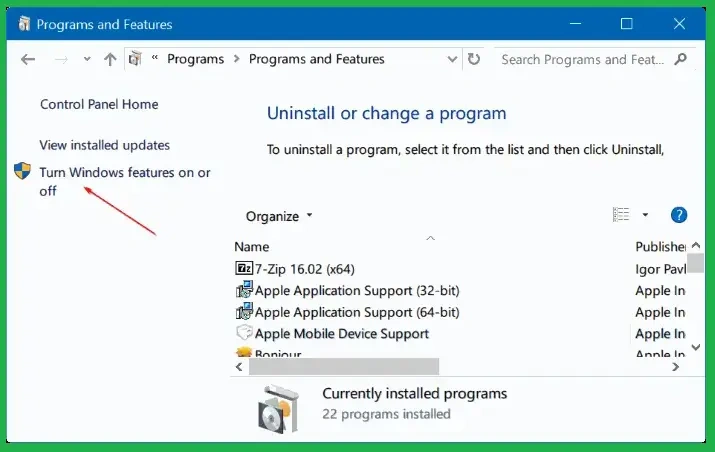
- After that, you need to verify the settings for both .NET Framework 4.5 (or later) and .NET Framework 3.5 SP1
Important: The instructions for repairing .NET Framework 4.5, 4.6, 4.7, and 4.8 are the same.
Verify .NET Framework 4.5 or Latest
Carry out the instructions below if the .NET Framework 4.5 or later checkbox is not marked:
- Start by choosing the checkbox to enable the .NET Framework 4.5 (or later)
- Next, press OK to save changes
- Lastly, restart your computer
Now, implement the steps below if the .NET Framework 4.5 or the latest checkbox is already marked:
- Choose the checkbox and turn off the .NET Framework 4.5 (or later). Ensure not to enable it back on
- Next, choose OK to save changes, and then restart your system
- Finally, after logging back in to Windows, implement the steps above and enable the .NET Framework 4.5
Verify the NET Framework 3.5 SP1
Implement the given instructions if the .NET Framework 3.5 SP1 checkbox isn’t checked:
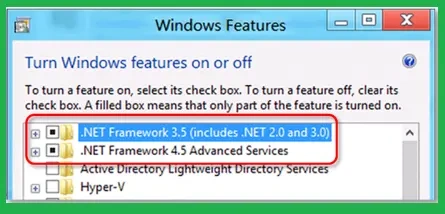
- Choose the checkbox next to .NET Framework 3.5 SP1 to turn it on
- Next, press OK to save the changes
- Lastly, restart your computer
Now, implement the instructions for the .NET Framework 3.5 SP1 checkbox, which is already checked:
- Choose the checkbox next to .NET Framework 3.5 SP1 and turn it off
- Next, press OK to save changes, and then restart the computer
- After that, if you log back in to Windows, go through the above-given instructions to enable the .NET Framework 3.5 SP1 again
Repair Microsoft MSXML
You will need to register the MSXML DLL files to fix the Microsoft MSXML component. To register the MSXML file on a 64-bit operating system, implement the steps below:
- Start by tapping the Windows Start menu and entering cmd as the command in the search bar
- Then, right-tap cmd and choose the Run as Administrator option
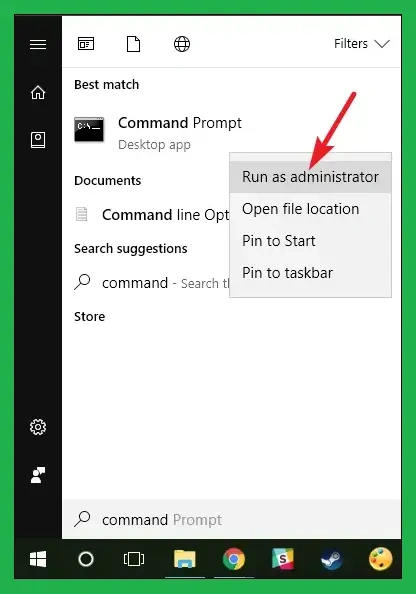
- Next, at the C: prompt, enter the command cd\windows\syswow64
- Now, enter regsvr32 MSXML6.dll and press Enter
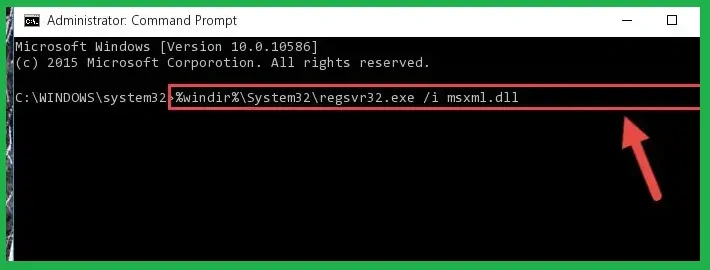
- After that, install the QB Desktop
Now, you need to perform the following steps to register the MSXML file on a 32-bit operating system.
- Start by opening the Run command by hitting the Windows + R keys on the keyboard
- Next, enter the command cmd and press Enter
- Now, regsvr32 MSXML6.dll and press Enter
- Finally, install QuickBooks Desktop again
These were the methods you should try if the QB Install Diagnostic Tool can’t resolve your installation issues. We hope that this guide will help you understand everything important about the Install Diagnostic Tool.
Advanced Fixes for QuickBooks Installation Errors
The quick overview table below will show you a more concise version of this blog on the QB Install Diagnostics Tool.
| What is QuickBooks Install Diagnostic Tool? | Intuit offers the QB Install Diagnostic Tool to repair various installation errors, crucial components, and the Windows registry. You can access this tool from the QuickBooks Tool Hub. |
| Issues that can be resolved with it | Installation errors, .NET Framework issues, MSXML errors, C++ runtime issues, the QB Desktop update issues, and miscellaneous errors. |
| How to use it | Firstly, ensure to download the latest version of QB Tool Hub on your system. After that, open QB Tool Hub and head to the Installation Issues tab. On the screen, you will see the QuickBooks Install Diagnostic Tool option. Click to run it. By doing so, this tool detects and fixes various installation issues. |
Conclusion
This is all you need to know about the QuickBooks Install Diagnostic Tool. We have discussed different types of installation issues that can be resolved using the Install Diagnostic in the QB Tool Hub. Moreover, we have provided accurate, step-by-step instructions for running the Install Diagnostic Tool. Also, we discussed the fixes to implement if this tool doesn’t work. However, even after following this blog, if you still have queries about this tool, you must seek professional help at +1 (800) 780 3064.
Frequently Asked Questions (FAQs)
A. The QB Install Diagnostic Tool is a free utility by Intuit created to resolve installation-related errors in QB Desktop. It diagnoses and fixes problems with Microsoft components like the .NET Framework, MSXML, and C++. As you are aware, these components are important for the QB to run smoothly. If your installation freezes, fails, or throws sudden error messages, such as 1603, 1935, or 1904, this tool can save you from frustration. It simplifies troubleshooting by diagnosing and fixing faulty files with a single tap. Use it before reinstalling the QB software or making further mistakes.
A. You must run the QB Install Diagnostic Tool whenever you experience installation issues, failed updates, or computer crashes related to the QB Desktop. Some common issues include error codes, such as 1402, 1903, or a stuck install window. The QB Install Diagnostic Tool is also effective when QB can’t open after an update or throws system file-related problems.
A. You can install the QuickBooks Tool Hub from the official Intuit website. You can download the QB Tool Hub and QB Install Diagnostic Tool to resolve various installation issues. After downloading its .exe file, you can install it by following the further on-screen steps.
A. You can run the QB Install Diagnostic Tool to resolve various installation-related issues. Most of the errors from the 6000 series can be resolved by using this tool. Other than that, error codes such as 1722, 1311, 1336, and all H-series issues are part of it.

Gabby Taylor, combines financial expertise with literary prowess. With over a decade in finance, she crafts insightful narratives on navigating fiscal complexities
